
Reducing food deserts with IoT
When we think about where our food comes from, many of us picture a grocery store. For some families, that's not the case.
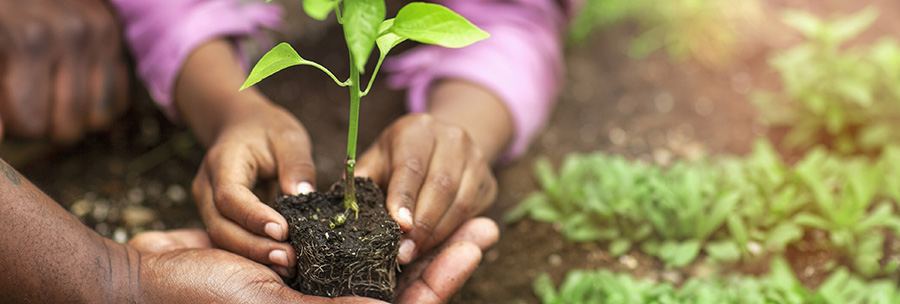
Many individuals face daily obstacles which prevent them from going to a grocery store and buying fresh, nutritious foods like fruits and vegetables. Traditionally, these individuals live in low-income neighborhoods and don't have easy access to healthy and/or affordable food. These areas are known as "food deserts."
The USDA identifies two types of food deserts: low-income urban areas where people live farther than a mile from the nearest grocery store, and low-income rural areas where people live more than 10 miles away.
In 2021, after moving back to Charlotte, I had an opportunity to work with a local church and neighborhood association situated in a food desert who were trying to bring healthy and affordable produce to those in need in their community. They decided to create a community garden, growing produce themselves and distributing it to neighbors. With help from the local county health department, we got the supplies to start building. Everyone was excited to contribute — even the pastor was getting his hands dirty.
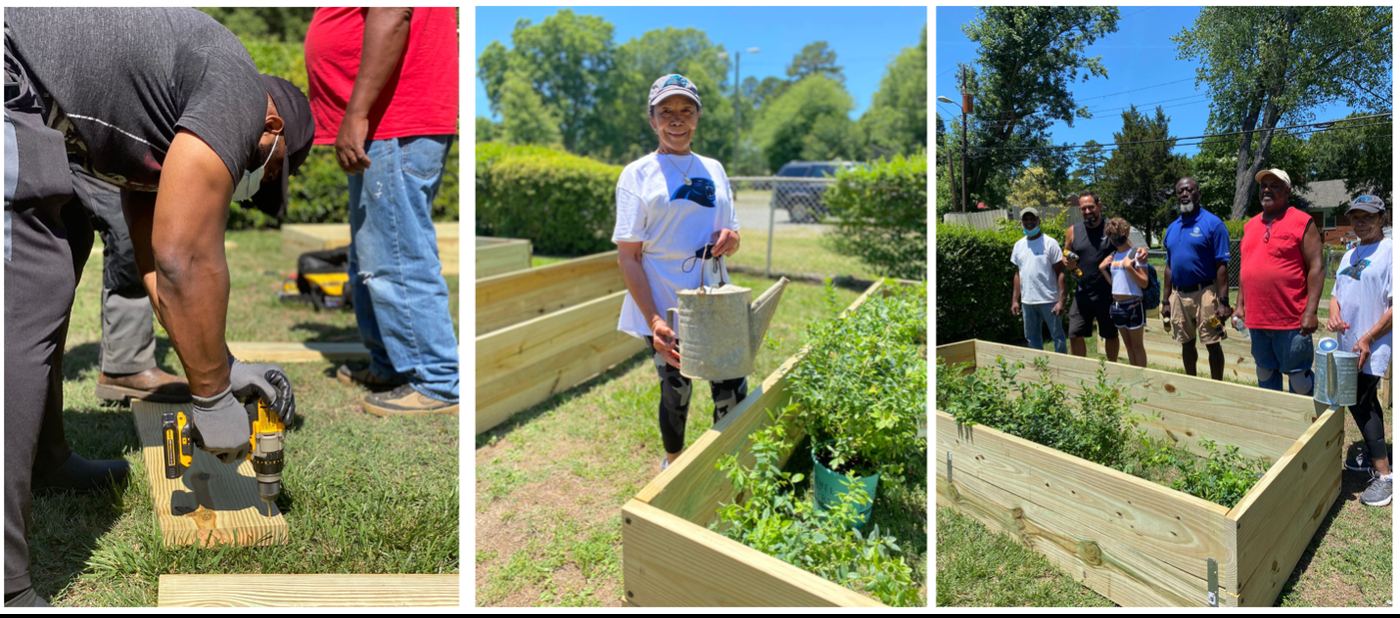
Once the boxes were built and crops planted, all we had to do was water and wait to harvest. How hard could it be?
Turns out, not easy. We immediately faced resourcing issues getting volunteers to regularly water the crops. Those who did were either underwatering or overwatering — crop output dropped. Basically, the crops were dying.
Eventually I became the main caretaker of the garden, volunteering a lot of my own time to keep it producing. That wasn't sustainable. Being a techie who's always trying to make things easier with technology, I started thinking about how to use the Internet of Things to automate the watering process — automatically turning the water supply on and off, reducing waste, and removing the need for human intervention.
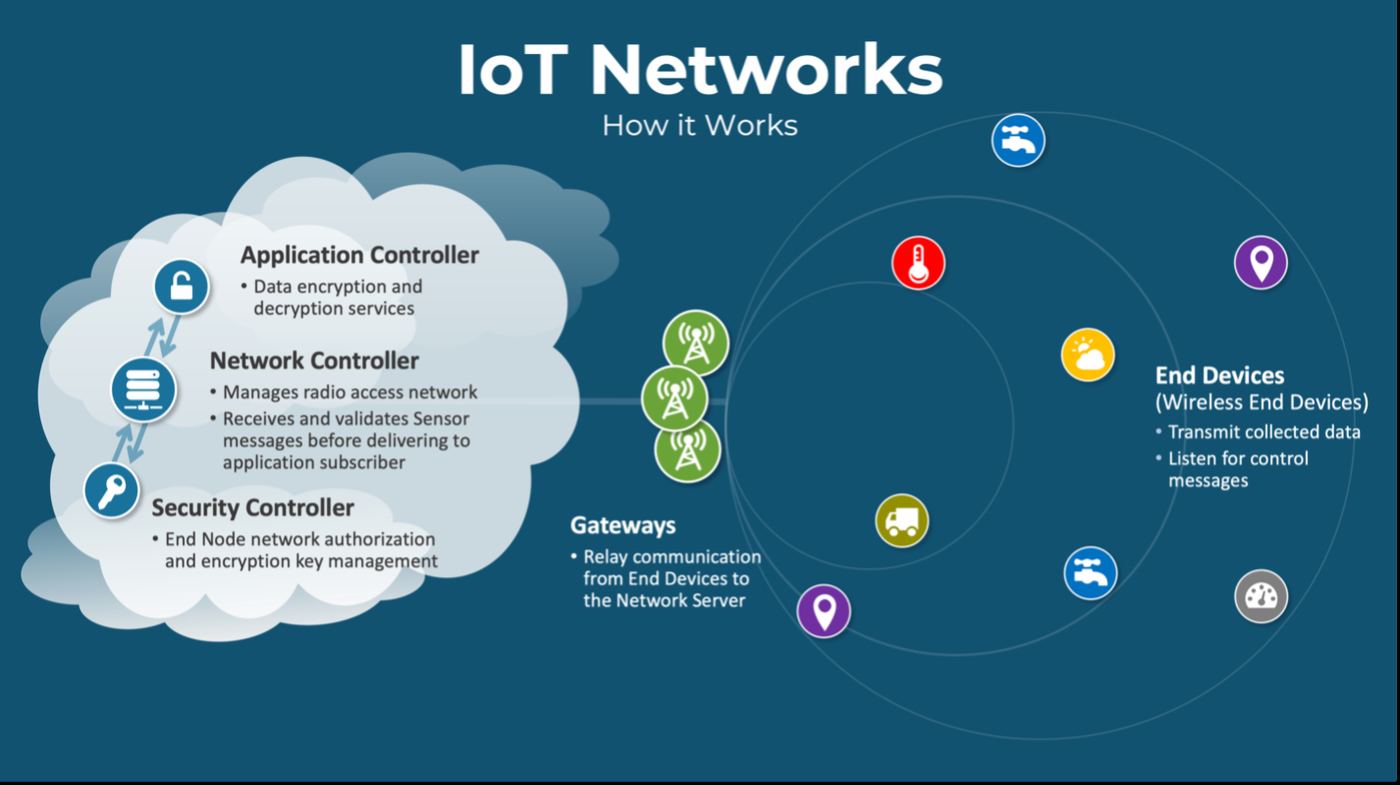
Deployed sensors get longer battery life, can communicate over further distances, and support bi-directional communication — perfect for predictive and preventive maintenance. A typical LoRaWAN deployment consists of a network server, gateways, sensors, and an application for data processing.
What it took to build
Network layer
A LoRaWAN Network Server, a LoRaWAN Gateway, and an analytics platform.
Sensing & control
A LoRaWAN soil moisture sensor and a LoRaWAN irrigation valve controller.
Irrigation hardware
An irrigation water valve and solenoid.
Plumbing
PVC pipe, couplings, tees, and adapters.
The results
Once installation was complete and the system was running properly, we saw immediate results — about a 90% reduction in water usage. Volunteering also increased, thanks to the reduced commitment needed. At the end of the season, we produced more crops than expected and had a surplus, which we donated to a local non-profit that distributed the food to other neighborhoods.
To date, we've completed 8 seasons with no hiccups. I've also been asked to install the same solution at 4 other communities, and the requests keep coming in.
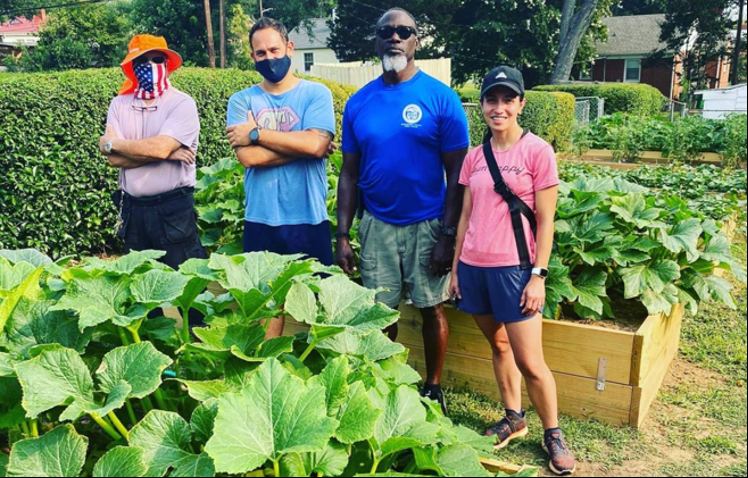
I'm happy to see how IoT has contributed to reducing food deserts, and I plan to keep doing my part to help as many communities as I can. LoRaWAN has proven it can make a real, positive difference in the world. I'm grateful to have brought this technology to my hometown, and I hope this might inspire you to do the same in your community. We can all play a part in making the world a better place — it doesn't have to be a hard, challenging experience.
Ready for water-wise automation?
Let's discuss how Intellidrip® can save resources and boost yields for your project.